Electrical systems are the backbone of modern living and business operations. From powering appliances and lighting to supporting data networks and critical equipment, electricity plays a central role in both residential and commercial environments. When something goes wrong, even a minor issue can disrupt productivity, compromise safety, and increase operational costs. That is why understanding the fundamentals of electrical troubleshooting is so important for homeowners and facility managers alike.
Electrical troubleshooting is the systematic process of identifying, diagnosing, and resolving electrical problems. While complex repairs should always be handled by a licensed electrician, knowing how to recognize early warning signs and perform basic checks can prevent small issues from escalating into major hazards. This guide will walk you through practical electrical troubleshooting tips, common problems, and best practices for maintaining a safe and reliable Nash Electric LLC system.
Understanding the Basics of Electrical Troubleshooting
Before diving into specific issues, it is essential to understand how electrical systems function. In simple terms, electricity flows from a power source through circuits that distribute energy to outlets, fixtures, and equipment. Circuit breakers and protective devices are installed to prevent overloads, short circuits, and electrical fires. When a fault occurs, these protective components are designed to interrupt the flow of electricity to minimize damage.
Troubleshooting begins with observation. Unusual smells, flickering lights, buzzing sounds, warm outlets, or frequent breaker trips are all indicators that something may be wrong. Rather than ignoring these signs, taking immediate action can protect both property and occupants. For homeowners, this may mean checking a breaker panel. For facility managers, it may involve reviewing load distribution and equipment performance logs.
Common Electrical Problems in Homes and Facilities
Electrical issues can vary in severity, but certain problems are more common than others. Understanding these typical scenarios can help you respond quickly and appropriately.
One of the most frequent issues is a tripped circuit breaker. Breakers trip when a circuit is overloaded or when there is a short circuit. Resetting the breaker may restore power, but if the breaker trips repeatedly, it signals a deeper problem, such as faulty wiring or excessive load demand.
Another common concern is flickering or dimming lights. This issue may stem from loose bulbs, poor wiring connections, voltage fluctuations, or overloaded circuits. In commercial settings, fluctuating lighting can also indicate larger power quality problems that require professional electrical troubleshooting.
Outlets that do not work are also frequent complaints. The cause may be as simple as a tripped ground fault circuit interrupter outlet or as complex as a damaged wire behind the wall. Ignoring a nonfunctional outlet can lead to inconvenience at best and fire risk at worst.
Burning smells, sparking outlets, or warm switch plates represent serious red flags. These signs often indicate overheating or arcing, which can quickly escalate into an electrical fire if not addressed immediately.
Step-by-Step Electrical Troubleshooting Approach
When addressing electrical problems, a methodical approach is critical. Randomly replacing parts or resetting breakers without understanding the root cause can make the problem worse. A structured process ensures safety and efficiency.
- Identify the Symptoms
Begin by clearly identifying what is happening. Is it a specific room without power? Are multiple circuits affected? Are certain appliances triggering breaker trips? Documenting the symptoms helps narrow down the possible causes. - Check the Circuit Breaker Panel
Inspect the breaker panel for any tripped breakers. A tripped breaker typically sits in the middle position between on and off. Reset it firmly to the off position before switching it back on. If it trips again immediately, discontinue use and contact a professional. - Inspect Visible Components
Look for obvious signs of damage such as loose plugs, frayed cords, or discolored outlets. In commercial facilities, check equipment connections and extension cords. Replace damaged cords immediately to avoid short circuits. - Isolate the Load
If a breaker continues to trip, unplug devices connected to that circuit and reset the breaker. Then plug devices back in one at a time to identify which appliance may be causing the overload. - Know When to Call a Professional
If troubleshooting does not resolve the issue, or if you notice signs of burning, sparking, or exposed wiring, it is essential to contact a qualified electrician. Attempting advanced electrical repairs without proper training can be dangerous.
Electrical Troubleshooting for Homeowners
For homeowners, electrical troubleshooting often involves smaller-scale issues such as nonworking outlets, flickering lights, or breaker trips. However, even residential electrical systems can become complex with the addition of home offices, entertainment systems, and smart technology.
One of the most overlooked aspects of residential electrical maintenance is load management. Modern homes often rely on multiple high-demand appliances such as air conditioners, electric heaters, and kitchen equipment. If several of these devices operate simultaneously on the same circuit, it can cause frequent breaker trips. Redistributing loads or upgrading the electrical panel may be necessary.
Another key consideration is aging wiring. Older homes may have wiring systems that are not designed to handle today’s electrical demands. Warning signs of outdated wiring include buzzing sounds, frequent fuse replacements, or discolored outlets. In such cases, a professional electrical inspection can determine whether rewiring or panel upgrades are required.
Electrical Troubleshooting for Facility Managers
Facility managers face a broader range of electrical challenges. Commercial buildings often house complex systems, including HVAC equipment, elevators, security systems, and computer networks. Electrical failures in these environments can result in downtime, lost productivity, and financial losses.
Preventive maintenance is critical in commercial settings. Regular inspections of switchgear, distribution panels, and backup power systems help identify issues before they cause disruptions. Thermal imaging inspections, for example, can detect overheating components that are not visible to the naked eye.
Load balancing is another important factor. Uneven distribution of electrical loads can strain certain circuits while leaving others underutilized. Monitoring energy usage and redistributing loads can improve system efficiency and reduce the risk of outages.
Facility managers should also maintain detailed documentation of electrical systems, including panel schedules, wiring diagrams, and maintenance logs. Accurate records streamline troubleshooting and allow electricians to resolve problems more quickly.
Safety Precautions During Electrical Troubleshooting
Electrical troubleshooting must always prioritize safety. Electricity is inherently hazardous, and even low-voltage systems can cause injury if handled improperly. Both homeowners and facility managers should adhere to basic safety principles.
First, always turn off the power at the breaker before inspecting outlets or switches. Use insulated tools and avoid working in damp conditions. Never touch exposed wires, and do not attempt repairs beyond your level of expertise.
In commercial environments, lockout and tagout procedures are essential to prevent accidental energizing of circuits during maintenance. Personal protective equipment, such as insulated gloves and safety glasse,s should be used when appropriate.
It is also important to ensure that smoke detectors and fire alarms are functioning properly. Electrical faults are a leading cause of fires, and early detection can prevent catastrophic damage.
Preventive Measures to Reduce Electrical Problems
While troubleshooting is important, prevention is even more valuable. Implementing proactive strategies can significantly reduce the likelihood of electrical issues.
- Schedule Regular Electrical Inspections
Periodic inspections by a qualified electrician can identify loose connections, deteriorating insulation, and overloaded circuits before they become hazardous. - Upgrade Outdated Equipment
Replacing aging panels, breakers, and wiring systems enhances reliability and safety. Modern components are designed to handle higher loads and provide improved protection. - Avoid Overloading Circuits
Distribute high-demand appliances across multiple circuits and avoid using excessive extension cords. In commercial settings, consider dedicated circuits for heavy equipment. - Install Surge Protection
Power surges can damage sensitive electronics and equipment. Whole-building surge protection systems help safeguard devices from voltage spikes. - Train Staff and Occupants
Educating employees or household members about safe electrical practices reduces the risk of misuse and accidental damage.
The Role of Professional Electricians in Troubleshooting
Although basic troubleshooting can resolve minor issues, professional electricians play a crucial role in maintaining electrical safety and performance. They have the training, tools, and experience to diagnose complex problems such as hidden wiring faults, grounding issues, and voltage irregularities.
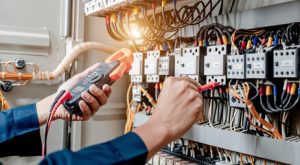
Advanced diagnostic tools, including multimeters, circuit analyzers, and thermal imaging cameras, allow electricians to pinpoint issues with precision. Their expertise ensures that repairs comply with electrical codes and safety standards, reducing liability and long-term risks.
For facility managers, establishing a relationship with a reliable electrical contractor can streamline emergency response and preventive maintenance planning. For homeowners, partnering with a licensed electrician ensures peace of mind and long-term system reliability.
Electrical troubleshooting is an essential skill for homeowners and facility managers who want to maintain safe, efficient, and reliable power systems. By understanding common electrical problems, following a structured troubleshooting process, and recognizing when to seek professional assistance, you can prevent minor issues from escalating into costly repairs or dangerous situations.
Whether you are managing a residential property or overseeing a commercial facility, proactive electrical maintenance and informed troubleshooting practices are key to minimizing downtime and protecting your investment. A well-maintained electrical system not only enhances safety but also supports productivity, comfort, and long-term cost savings. By taking a strategic approach to electrical troubleshooting, you create a foundation for dependable performance and peace of mind.